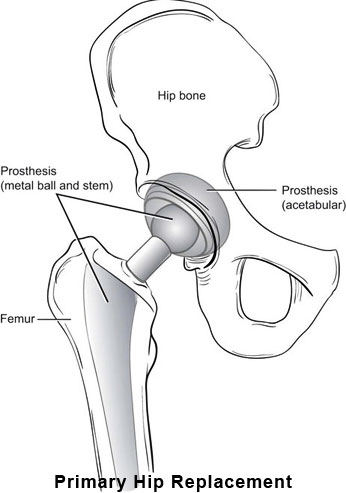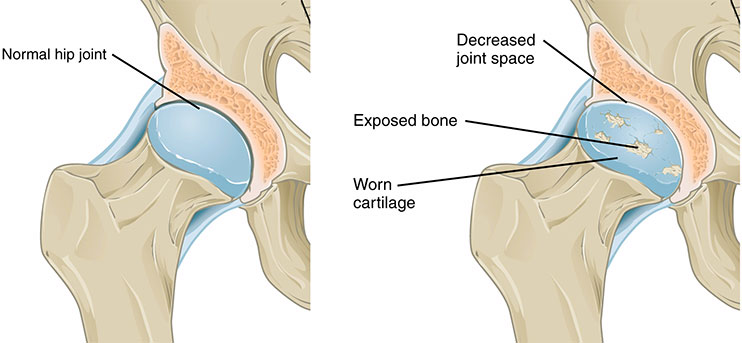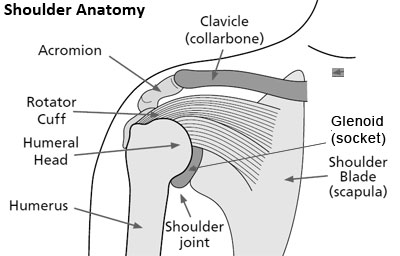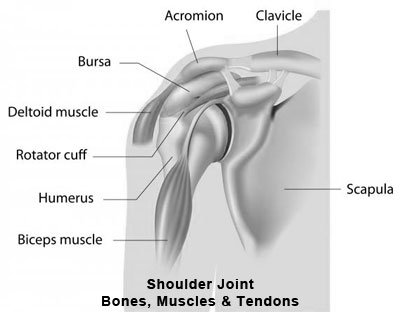



Living alone in your 70s gives you a wonderful sense of independence and freedom. However, when an orthopaedic specialist recommends a major procedure like a knee or hip replacement, that independence can suddenly feel like a challenge. It is completely natural to feel a wave of anxiety, wondering: "Who will help me get a glass of water? What if I slip? How will I manage on my own?"
The truth is, hundreds of seniors living in bustling urban hubs like Delhi-NCR successfully navigate their joint recovery journey independently every single year. The key to a smooth, stress-free recovery does not require a large live-in crew; it simply requires the right preparation.
By preparing your mind, setting up your home, and leveraging modern surgical advances, you can return to your independent life safely and smoothly.
1. Preparing Your Mind: Setting Up a "Virtual Support Team"
Living alone does not mean you have to go through recovery entirely by yourself. Before your surgery date, take a few days to build your emotional and logistical safety net.
- Accept Temporary Help: Understand that asking for assistance for the first 2 to 3 weeks is a sign of wisdom, not weakness.
- The Daily Check-In: Choose a family member, a trusted neighbor, or a close friend who agrees to call or visit you at a fixed time every day. This simple routine provides incredible peace of mind.
- Keep Emergency Numbers Handy: Write down your hospital emergency contact, your local chemist, and your surgeon’s clinic number on a large sheet of paper and tape it near your bedside phone.
- Leverage Local Services: In cities like Delhi-NCR, you can pre-arrange specialized senior care attendants, home physiotherapists, or meal delivery services for the initial post-surgery weeks.
2. Preparing Your Home: The Safe Recovery Blueprint
Modern robotic joint surgeries allow you to start walking within hours of the procedure. However, your home needs to be modified slightly so you can move without any risk of tripping.
The Living Room & Walkways
- Clear the Launchpads: Remove all loose rugs, doormats, and scattered electrical cords. These are the number-one causes of slips and falls.
- The Perfect Chair: Ensure you have a sturdy chair with a firm seat and strong armrests. Avoid soft, deep sofas because getting out of them puts immense strain on your healing joints.
- Lighting is Essential: Keep your hallways and rooms brightly lit. Consider installing cheap, plug-in motion-sensor nightlights along the path from your bed to the bathroom.
The Bathroom Setup
- Raise the Toilet Seat: Standard Indian commodes can be too low for a healing hip or knee. Purchase a temporary raised toilet seat extension with side handles.
- Non-Slip Mats: Place rubberized, non-slip mats inside and right outside your shower area.
- Install Grab Bars: Having a secure bar to hold onto while standing up or sitting down changes the safety equation completely.
The Kitchen & Bedroom
- Keep it at Waist Level: For the first month, rearrange your kitchen and bedroom so that your daily-use items (plates, medicines, mobile chargers, water bottles) are between your waist and chest level. Avoid bending down low or stretching up high on your tiptoes.
3. Stocking Up: Smart Pre-Surgery Organizing
To minimize your daily chores during early recovery, automate your necessities a week before you head to the hospital.
| Category | What to Do |
|---|---|
| Medicines | Buy your routine daily prescriptions and post-surgery medications for at least 45 days. Keep them in a daily pill organizer box. |
| Meals | Freeze healthy, portioned meals or set up a reliable local tiffin or meal delivery service. Stock up on healthy snacks like nuts, roasted grains, and fruits. |
| Clothing | Keep 5 to 7 sets of loose, comfortable, breathable clothing (like loose trousers or gowns) at arm's reach so you do not have to wash clothes frequently. |
Schedule an evaluation of your joint condition
Take the first step toward pain-free mobility and protected health.
4. The Surgical Edge: Choosing Faster Recovery Options
One of the biggest reasons seniors are able to manage recovery alone today is the evolution of surgical technology.
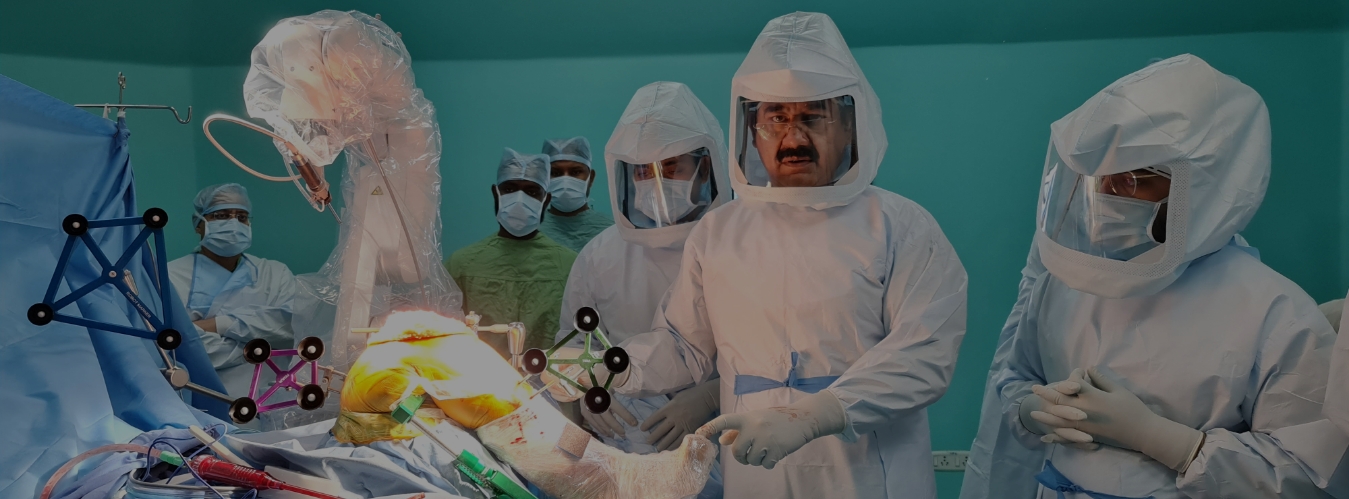
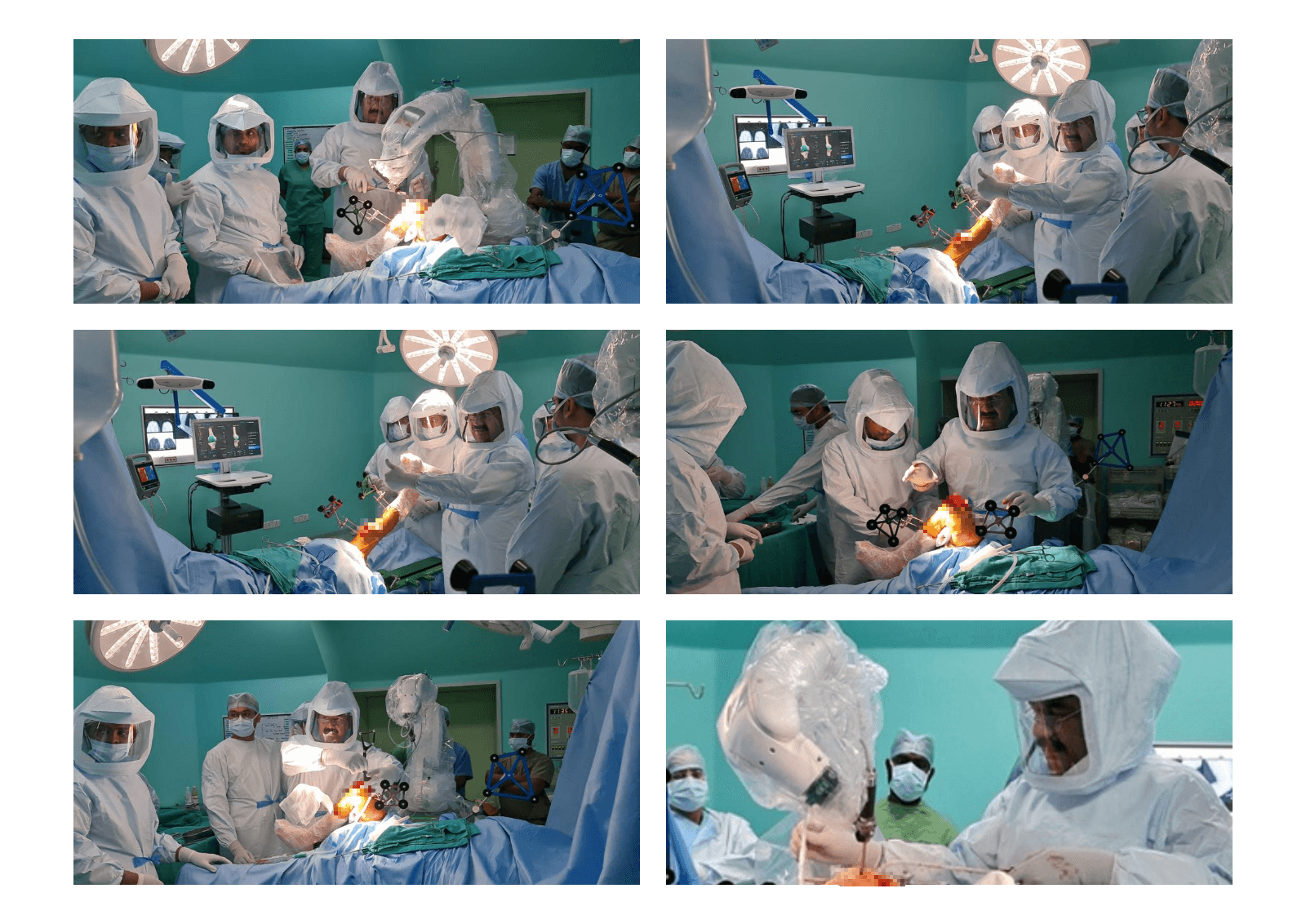
Traditional surgeries often meant weeks of severe pain and prolonged bed rest. However, advanced options like Robotic-Assisted Joint Replacement change the timeline completely. When performed by an experienced specialist using computer-navigated tracking, the precision is down to a fraction of a millimeter.
What this means for a senior living alone:
- Near-zero damage to surrounding healthy muscles and tissues.
- Significantly lower pain levels right after the operation.
- The ability to safely stand on your own feet and walk to the restroom within a day of the surgery.
- A much shorter, highly predictable path back to full independence.
Final Thoughts
Undergoing a joint replacement when you live alone requires courage, but it is entirely achievable. Think of the temporary recovery period as an investment. By taking a few practical steps to secure your environment and prepare your mind today, you are clearing the path to walk pain-free, visit your friends, buy your own groceries, and enjoy your independent life for decades to come.
If you are planning your surgery, talk directly to your orthopaedic team about your living situation. They can help customize your physiotherapy and post-care routine to ensure you feel secure, confident, and supported every step of the way.


.png)